
- Cumhurbaşkanı Seçimi İkinci Turu / Güncellenen Oy Kullanma Tarih ve Saatleri Turkish Embassy in Washington, D.C. 17.05.2023
- Cumhurbaşkanı Seçimi İkinci Turu / Oy Kullanma Tarih ve Saatleri Hk. Turkish Embassy in Washington, D.C. 16.05.2023
- Farewell Message from Ambassador Serdar Kılıç to Muslim American Community Turkish Embassy in Washington, D.C. 02.03.2021
- ANNOUNCEMENT REGARDING THE NEW ADDRESS OF THE TURKISH CONSULATE GENERAL Turkish Embassy in Washington, D.C. 12.06.2020
- No: 73, 27 April 2024, Regarding the Visit of H.E. Mr. Hakan Fidan, Minister of Foreign Affairs of the Republic of Türkiye, to Riyadh Republic Of Türkiye Ministry Of Foreign Affairs 27.04.2024
- No: 72, 26 April 2024, Regarding the Social Media Message Posted by the Israeli Foreign Minister Republic Of Türkiye Ministry Of Foreign Affairs 26.04.2024
- No: 71, 25 April 2024, Regarding the Resolution Adopted by the Chamber of Deputies of Chile on the Events of 1915 Republic Of Türkiye Ministry Of Foreign Affairs 25.04.2024
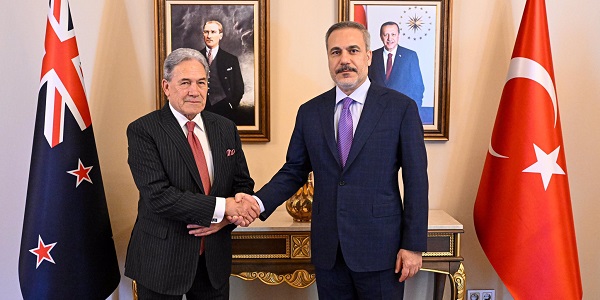
- No: 70, 25 April 2024, Regarding the Visit of H.E. Mr. Winston Peters, Deputy Prime Minister and Minister of Foreign Affairs of New Zealand Republic Of Türkiye Ministry Of Foreign Affairs 25.04.2024

Sedat Önal
Ambassador
Turkish Consulates
Honorary Consulate General Of Turkey In Baltimore
Honorary Consulate General Of Turkey In Detroit
Honorary Consulate General Of Turkey In Georgia / Atlanta
Honorary Consulate General Of Turkey In Kansas
Honorary Consulate General Of Turkey In San Francisco
Turkish Consulate General In Boston
Turkish Consulate General In Chicago
Turkish Consulate General In Houston
Turkish Consulate General In Los Angeles
Turkish Consulate General In Miami
Turkish Consulate General In New York
Turkish Consulate General In New York
Turkish Consulate General In San Fransisco

Monday - Friday
09:00 - 18:00
Consular Section Reception Hours: 9:30 a.m. 1:00 p.m.
Holidays 2024
| 1/1/2024 | 1/1/2024 | First Day of New Year |
| 1/15/2024 | 1/15/2024 | Martin Luther King, Jr Day - Federal Holiday |
| 2/19/2024 | 2/19/2024 | Predents' Day - Federal holiday |
| 4/10/2024 | 4/10/2024 | Ramadan Feast 1st Day |
| 5/27/2024 | 5/27/2024 | Memorial Day - Federal holiday |
| 6/17/2024 | 6/17/2024 | Kurban Feast 2nd day |
| 6/19/2024 | 6/19/2024 | Juneteenth - Federal holiday |
| 7/4/2024 | 7/4/2024 | Independence Day - Federal holiday |
| 9/2/2024 | 9/2/2024 | Labor Day - Federal holiday |
| 10/14/2024 | 10/14/2024 | Columbus Day - Federal holiday |
| 10/29/2024 | 10/29/2024 | Turkish National Day |
| 11/11/2024 | 11/11/2024 | Veterans Day - Federal holiday |
| 11/28/2024 | 11/28/2024 | Thanksgiving Day - Federal holiday |
| 12/25/2024 | 12/25/2024 | Christmas Day - Federal holiday |
| 1/1/2025 | 1/1/2025 | New year's day |
+ 90 312 292 29 29

 INVEST IN TÜRKİYE